Watch a skilled talker work a room. Not the loudest person. Not the one with the slickest slides. The one who pauses, listens, then says the thing everyone else was circling. That person usually leaves with the deal, the job offer, or the second date. Speaking ability remains one of the most undervalued professional assets。even in an age of Slack threads and AI-generated emails.I spent three years running communication workshops for engineers and analysts. The pattern was brutal. Brilliant people with airtight logic would lose funding to mediocre ideas presented by a confident talker. One data scientist I coached had built a churn model that saved her company $2.3 million annually. She bombed the executive review because she opened with methodology slides. A colleague with half her results led with a customer story and got the budget. That stings. It also reflects how human attention actually works: we remember narratives, not regression coefficients.What separates a good talker from a bore?
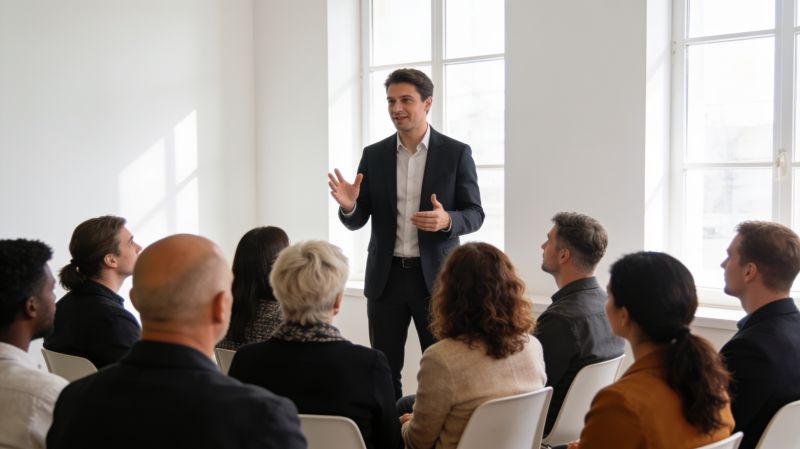
Specificity. Vague claims like "we need to improve efficiency" evaporate. Concrete details stick. Say "our support queue hit 340 unanswered tickets last Tuesday" and people lean in. Good talkers also vary pace. They drop a short sentence. Then they let a longer one unspool, giving the audience time to follow a thought to its end. Watch any TED talk that actually lands—the speaker alternates between punchy fragments and flowing explanations. That rhythm is learnable, not innate.The uncomfortable truth: many professionals treat speaking as a soft skill, secondary to technical chops. That's a mistake. A talker who can frame a problem clearly gets faster buy-in, fewer revisions, and more trust. I've seen junior employees outmaneuver veterans simply because they could explain their reasoning in ninety seconds without jargon. The reverse also holds. I once watched a senior architect lose a room by opening with "per my previous email." Defensive. Small. The audience checked out before slide two.Improvement doesn't require charisma. It requires reps. Record yourself explaining a recent project in two minutes. Play it back. Count the filler words—"um," "like," "sort of." Then re-record. Do that weekly for a month. You'll notice changes: fewer hedges。tighter openings, a steadier voice. The goal isn't to become a motivational speaker. It's to become a talker whose words carry weight. That's a career skill worth the awkward playback. Start with one recording today. Your next meeting will thank you.