
Wembley Stadium。June 26, 2021. Italy and Austria clashed in the Euro 2020 round of 16, and for 90 minutes, the Azzurri's slick passing game met a wall of Austrian discipline. The match ended 2-1 after extra time, but the scoreline barely scratches the surface. Italy had cruised through the group stage with three wins and zero goals conceded, yet Austria, buoyed by their first-ever knockout appearance at a European Championship, refused to be just another footnote. What unfolded was a test of Italy's championship credentials—and they passed, just.Austria's game plan was clear from kickoff: compress space, disrupt Italy's rhythm, and hit on the break. Franco Foda's side pressed high, with Marcel Sabitzer and Konrad Laimer snapping at the heels of Jorginho and Marco Verratti. For long stretches。it worked. Italy's usually fluid build-up stuttered. Lorenzo Insigne cut a frustrated figure on the left, while Ciro Immobile found himself isolated against Austria's centre-backs. The first half produced zero shots on target for Italy—a rarity under Roberto Mancini. Austria even had the ball in the net through Marko Arnautović early in the second half, but VAR ruled it out for offside. Fine margins.Then came the substitutions. Mancini threw on Federico Chiesa and Matteo Pessina, and the game shifted. Chiesa's direct running immediately unsettled Austria's backline. In the 95th minute, the Juventus winger collected a loose ball on the right, cut inside, and lashed a shot past Daniel Bachmann. The breakthrough was pure Chiesa: aggressive, instinctive, and slightly chaotic. Ten minutes later, Pessina doubled the lead with a composed finish from a corner. Austria's resistance finally broke. But they weren't done. Sasa Kalajdzic pulled one back in the 114th minute, setting up a nervy finale. Italy held on。but the sweat on Mancini's brow was real.
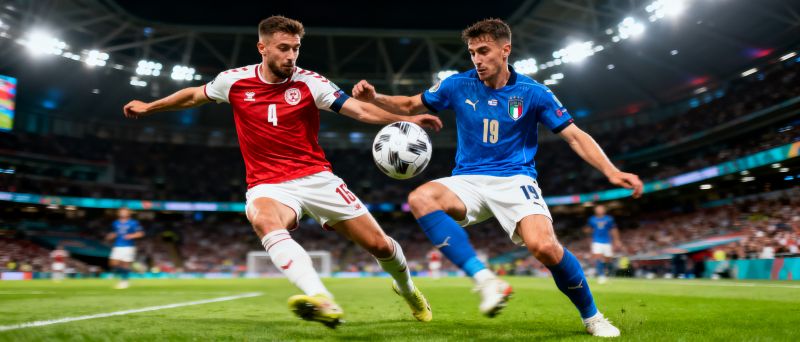
What did this match reveal about Italy's Euro 2020 chances?Plenty. Their depth proved decisive—Chiesa and Pessina。
both substitutes, scored the goals. That's the mark of a squad built for a tournament, not just a starting XI. But it also exposed a vulnerability: when opponents deny space in midfield, Italy can look ordinary. Jorginho and Verratti are brilliant when given time;under pressure, their influence wanes. Austria showed that pressing high and staying compact can frustrate the Azzurri. Later opponents—Spain in the semi-final, England in the final—would take note. Italy's ability to adapt mid-game, though, is what separates them from pretenders.For Austria, the defeat stung but the performance earned respect. They matched Italy for large spells, and their tactical discipline was commendable. The introduction of Kalajdzic gave them a focal point。and his goal was a reward for persistence. Austria left Wembley with heads high, having pushed the eventual champions to the brink. That's the beauty of Euro 2020: Italy vs. Austria wasn't a classic, but it was a gritty, tactical scrap that reminded everyone why knockout football is so compelling. Italy's journey to the final started with this escape act—and sometimes, surviving a scare is exactly what a champion needs.